


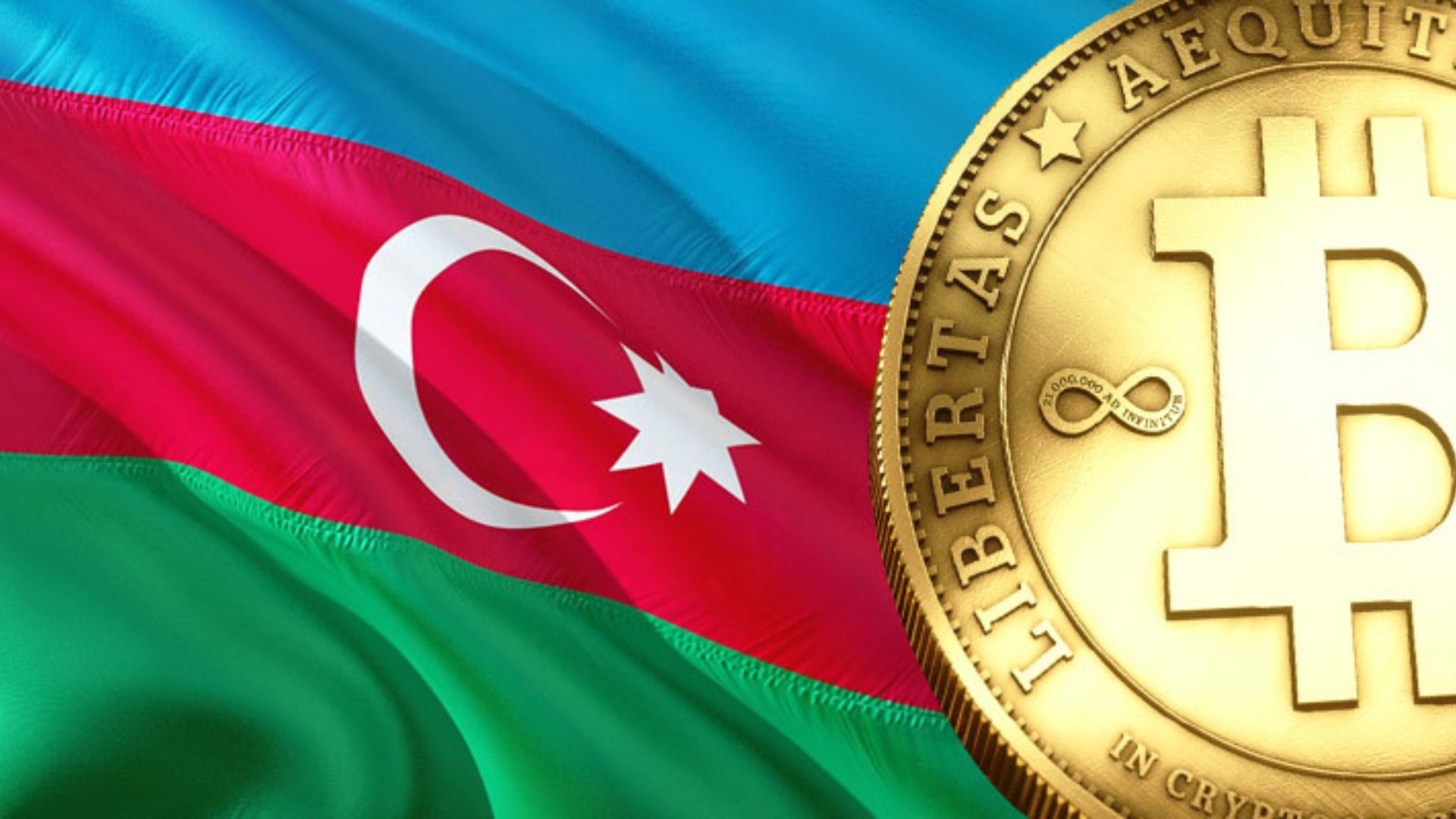
The global digital asset landscape is entering a new phase of regulatory maturity, and one of the latest developments comes from the Caucasus region. Azerbaijan advances crypto regulation with licensing proposal, marking a significant step toward formalizing how cryptocurrencies, exchanges, and blockchain-based financial services operate within the country. As digital asset adoption continues to grow worldwide, governments are increasingly focused on establishing clear frameworks that balance innovation with financial stability. Azerbaijan’s proposed licensing system reflects this global shift, where regulators aim to bring structure to a previously loosely governed market.
For years, crypto activity in many emerging economies has operated in regulatory grey zones, with limited oversight and inconsistent compliance standards. However, as blockchain technology, crypto exchanges, and decentralized finance (DeFi) gain mainstream traction, authorities are recognizing the need for structured legal frameworks that protect investors while supporting innovation. Azerbaijan’s licensing proposal signals a strategic move to position itself as a competitive player in the regional digital economy. By introducing clear rules for crypto businesses, the country aims to attract foreign investment, enhance financial transparency, and reduce risks associated with unregulated digital asset activity.
The Motivation Behind Azerbaijan’s Crypto Licensing Proposal
Strengthening Financial Oversight in a Digital Economy
The decision that Azerbaijan advances crypto regulation with licensing proposal is largely driven by the need to strengthen financial oversight in an increasingly digital economy. As cryptocurrencies become more widely used for trading, payments, and cross-border transfers, governments face growing pressure to ensure these activities remain transparent and secure.
Without proper regulation, digital asset markets can expose users to risks such as fraud, market manipulation, money laundering, and unregistered financial operations. The proposed licensing system aims to address these concerns by introducing structured supervision over crypto service providers, including exchanges, custodial wallets, and brokerage platforms. By formalizing the sector, Azerbaijan seeks to align its financial system with global standards while maintaining control over rapidly evolving digital technologies.
Aligning With Global Regulatory Trends
Another key reason Azerbaijan advances crypto regulation with licensing proposal is the global trend toward regulatory clarity in the crypto industry. Countries across Europe, Asia, and the Middle East are actively developing frameworks for digital asset regulation, including licensing regimes, taxation rules, and compliance requirements.
Jurisdictions such as the European Union with its MiCA framework and Singapore with its licensing-based crypto oversight model have demonstrated that structured regulation can coexist with innovation. Azerbaijan’s proposal appears to follow a similar path, aiming to create a competitive and transparent environment that encourages legitimate businesses while discouraging illicit activity.
Understanding Azerbaijan’s Crypto Licensing Framework
What the Licensing System Will Cover
At the core of the initiative where Azerbaijan advances crypto regulation with licensing proposal is the creation of a formal licensing system for companies operating in the digital asset space. This system is expected to cover a wide range of activities, including cryptocurrency exchanges, digital wallet providers, token issuance platforms, and other virtual asset service providers (VASPs).
Under the proposed framework, companies will likely be required to obtain official authorization before offering services to residents. This ensures that all operators meet specific legal, financial, and technical standards before entering the market. The goal is to establish a regulated environment where users can engage with digital assets safely and confidently.
Compliance Requirements and Operational Standards
A major component of Azerbaijan’s crypto regulation with licensing proposal involves compliance obligations for licensed entities. These requirements are expected to include anti-money laundering (AML) protocols, know-your-customer (KYC) verification processes, and ongoing reporting obligations to financial authorities. Licensed firms may also need to implement cybersecurity standards, maintain transparent transaction records, and ensure segregation of client funds.
These measures are designed to reduce systemic risks and improve accountability across the digital asset ecosystem. By enforcing strict compliance rules, Azerbaijan aims to build trust in its emerging crypto sector and attract reputable international firms.
Impact on Cryptocurrency Exchanges and Service Providers
Formalizing Crypto Exchange Operations
One of the most significant outcomes of Azerbaijan advances crypto regulation with licensing proposal will be the formalization of cryptocurrency exchange operations within the country.
Currently, many exchanges operate in loosely defined legal environments, creating uncertainty for both businesses and users. The licensing framework will change this by requiring exchanges to register and comply with national financial regulations. This shift will likely lead to increased transparency in trading activities, improved user protection, and enhanced market integrity. For legitimate exchanges, this represents an opportunity to expand operations under a clear regulatory umbrella.
Market Entry Barriers and Business Adaptation
While regulation brings clarity, it also introduces new barriers to entry. Smaller crypto startups may face challenges meeting licensing requirements due to operational costs, compliance infrastructure, and legal obligations. As Azerbaijan advances crypto regulation with licensing proposal, companies will need to adapt by investing in compliance teams, legal expertise, and cybersecurity systems. However, these barriers may ultimately strengthen the market by filtering out unreliable or high-risk operators.In the long term, a regulated environment is expected to foster greater institutional participation and investor confidence.
Opportunities for Institutional Investment Growth
Building Investor Confidence Through Regulation
One of the primary benefits of Azerbaijan’s crypto regulation with licensing proposal is its potential to attract institutional investors. Large financial institutions typically require regulatory clarity before entering emerging markets. By establishing a licensing framework, Azerbaijan is signaling that its crypto sector is becoming safer, more predictable, and more aligned with global financial standards. This could encourage banks, investment funds, and fintech companies to explore partnerships and product offerings within the country’s digital asset ecosystem.
Expanding Digital Finance Infrastructure
Regulation also lays the foundation for broader development of digital financial infrastructure. Once licensing systems are in place, Azerbaijan may see increased growth in areas such as blockchain-based payment systems, tokenized assets, and digital banking solutions. The integration of regulated crypto services with traditional financial institutions could help modernize the country’s financial ecosystem and improve cross-border payment efficiency. This aligns with broader global trends where blockchain adoption in finance is becoming increasingly mainstream.
Regional Competition in Crypto Regulation
Positioning Azerbaijan in the Global Crypto Landscape
The fact that Azerbaijan advances crypto regulation with licensing proposal also has geopolitical and economic implications. Countries in the region are competing to become attractive hubs for digital finance and blockchain innovation. By implementing a clear regulatory framework, Azerbaijan aims to position itself as a forward-thinking jurisdiction capable of supporting innovation while maintaining financial stability. This is particularly important in a region where digital transformation is accelerating, and governments are exploring new ways to diversify their economies.
Competing With Neighboring Regulatory Models
Azerbaijan is not alone in developing crypto regulation. Neighboring countries are also exploring or implementing frameworks for digital asset oversight. Some jurisdictions prioritize strict regulatory control, while others adopt more flexible approaches to encourage innovation. Azerbaijan’s licensing proposal appears to strike a balance between these two models. By offering clarity without excessive restrictions, the country hopes to attract businesses seeking a stable yet innovation-friendly environment.
Challenges in Implementing Crypto Licensing
Regulatory Complexity and Enforcement
Despite its advantages, Azerbaijan advances crypto regulation with licensing proposal also faces implementation challenges. Designing a comprehensive regulatory framework for rapidly evolving digital assets is inherently complex.
Authorities must ensure that regulations remain flexible enough to accommodate future innovations such as DeFi protocols, NFT marketplaces, and tokenized financial instruments. Enforcement is another critical issue, as regulators will need technical expertise to monitor blockchain-based transactions and ensure compliance across decentralized networks.
Balancing Innovation and Control
A key challenge lies in balancing innovation with regulatory control. Overly strict rules could discourage startups and drive innovation offshore, while overly lenient policies may expose users to financial risks. Azerbaijan’s success will depend on its ability to maintain this balance while fostering a healthy and competitive digital economy. This balancing act is central to the broader global debate around crypto regulation frameworks. Long-Term Impact on Azerbaijan’s Digital Economy
Accelerating Blockchain Adoption
If implemented effectively, Azerbaijan’s crypto regulation with licensing proposal could significantly accelerate blockchain adoption across multiple industries. Beyond trading and investment, blockchain technology can be applied in supply chain management, public administration, identity verification, and financial services. A regulated environment will likely encourage experimentation and innovation in these areas, driving broader digital transformation.
Strengthening Economic Diversification
Azerbaijan has been actively working to diversify its economy beyond traditional sectors. The development of a regulated crypto industry could play an important role in this strategy. By fostering a controlled yet innovative digital asset ecosystem, the country may attract new businesses, create jobs in fintech and blockchain sectors, and increase foreign investment inflows. This aligns with long-term goals of economic modernization and global competitiveness.
Conclusion
The initiative where Azerbaijan advances crypto regulation with licensing proposal represents a pivotal step in the country’s journey toward establishing a structured and transparent digital asset ecosystem. By introducing a licensing framework for crypto businesses, Azerbaijan is taking proactive measures to enhance investor protection, strengthen financial oversight, and align with global regulatory standards.
While challenges remain in implementation, the long-term benefits could be substantial. A well-regulated environment has the potential to attract institutional investment, foster innovation, and position Azerbaijan as a competitive player in the evolving global crypto economy. As digital assets continue to reshape financial systems worldwide, Azerbaijan’s regulatory move highlights a broader trend: the transition from unregulated experimentation to structured, compliant, and sustainable crypto markets.
