



Ethereum News continues to dominate the cryptocurrency landscape as institutional investors increasingly reshape digital asset markets. One of the most significant developments in recent weeks has been the emergence of a $67 million ETH short position executed by an institutional hedge fund on Hyperliquid, a decentralized perpetual futures exchange rapidly gaining traction among professional traders. This massive position has sparked discussions across the crypto industry, not because of its bearish outlook alone, but because of what it signals about the evolution of decentralized finance (DeFi).
For years, institutional investors preferred centralized exchanges due to their deep liquidity, familiar infrastructure, and regulatory compliance. However, the latest Ethereum News suggests that sophisticated trading firms are becoming increasingly comfortable deploying large amounts of capital directly on decentralized trading platforms. Hyperliquid’s infrastructure, liquidity, execution speed, and risk management capabilities have positioned it as a viable venue for institutional-grade derivatives trading.
The $67 million ETH short also highlights how professional hedge funds approach the cryptocurrency market differently from retail traders. Rather than simply betting against Ethereum, these firms often use complex hedging strategies, market-neutral positions, and risk management techniques designed to profit regardless of market direction.
This article explores why this massive Ethereum trade matters, how Hyperliquid has evolved into an institutional platform, and what this means for Ethereum investors, traders, and the broader crypto ecosystem.
What Happened in the $67 Million ETH Short?
One of the biggest recent stories in Ethereum News revolves around an institutional hedge fund opening approximately $67 million worth of short exposure against Ethereum through Hyperliquid. Unlike traditional spot selling, a short position allows traders to profit when Ethereum’s price declines. Institutional traders frequently employ such positions to hedge portfolio exposure or capitalize on anticipated market corrections.
The sheer size of this position immediately caught market attention. Large trades of this magnitude require substantial liquidity, efficient order execution, and confidence that the exchange can manage liquidation risks effectively. Instead of choosing a centralized derivatives platform, the hedge fund selected Hyperliquid—an important signal that decentralized exchanges have matured significantly. This decision demonstrates that institutional participants now view decentralized perpetual exchanges as capable of handling professional trading requirements.
Institutional Trading Strategy
Many retail investors interpret short positions as outright bearish bets. However, institutional trading strategies are rarely that simple. Professional hedge funds often combine long-term investments with short-term derivative positions to reduce portfolio risk. For example, an institution holding thousands of ETH in custody may open a short position equal to part of its holdings. If Ethereum falls, losses on spot holdings are offset by profits from the short trade.
This strategy allows funds to preserve capital while maintaining long-term exposure to Ethereum’s ecosystem. Other common institutional objectives include:
Portfolio Hedging
Institutions regularly hedge volatile assets during uncertain macroeconomic conditions. Rather than selling Ethereum, they maintain ownership while reducing downside exposure through perpetual futures.
Market Neutral Strategies
Many quantitative hedge funds seek profits regardless of overall market direction. By balancing long and short positions across different assets, they reduce directional risk while focusing on pricing inefficiencies.
Liquidity Management
Large institutions must execute sizeable trades without causing excessive market impact. Hyperliquid’s growing liquidity enables such execution with relatively limited slippage.
Why Hyperliquid Is Attracting Institutional Capital
The latest Ethereum News demonstrates that Hyperliquid is evolving far beyond its origins as a retail-focused decentralized exchange. Several characteristics make the platform attractive to institutional participants.
Deep Liquidity
Institutional traders require deep order books. Executing tens of millions of dollars in derivatives without significant price movement is only possible on highly liquid markets. Hyperliquid has steadily expanded its liquidity pools, making large trades increasingly practical.
Fast Trade Execution
Milliseconds matter in derivatives trading. Hyperliquid’s infrastructure provides execution speeds comparable to centralized exchanges, an essential requirement for algorithmic trading firms.
Transparent On-Chain Activity
Unlike centralized platforms, decentralized exchanges provide transparent blockchain settlement. Institutional investors increasingly value this transparency because positions, collateral, and liquidations remain verifiable on-chain.
Lower Counterparty Risk
After multiple centralized exchange failures over recent years, institutional participants have become more conscious of custody risk. Decentralized platforms reduce dependence on centralized intermediaries, allowing traders greater control over assets.
Why This Matters for Ethereum
The significance of this story extends well beyond one hedge fund. The latest Ethereum News illustrates growing institutional confidence in Ethereum’s broader ecosystem. Ethereum remains the dominant blockchain supporting decentralized finance, tokenized assets, stablecoins, and decentralized exchanges. When institutions deploy significant capital into Ethereum-based infrastructure, they effectively validate the maturity of the ecosystem.
Even when institutions take short positions, their participation generally increases liquidity, improves price discovery, and strengthens market efficiency. This is one reason why experienced analysts rarely interpret institutional shorts as inherently negative. Instead, they view them as evidence of a maturing derivatives market.
Institutional Adoption Is Accelerating
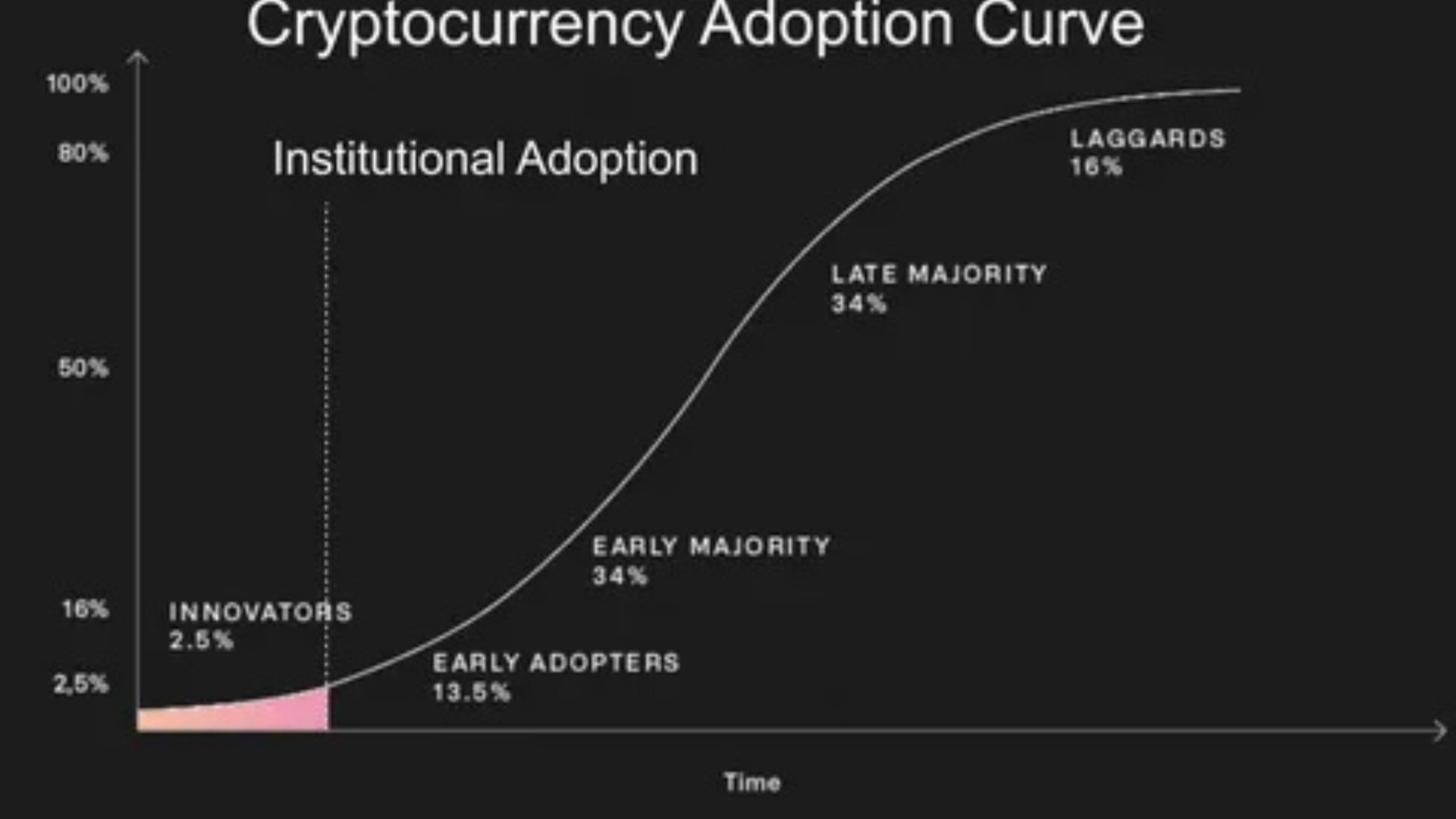
Institutional participation in cryptocurrency markets has grown steadily over recent years. Several developments have contributed to this trend:
- Growing regulatory clarity
- Approval of crypto investment products
- Increasing corporate treasury adoption
- Expansion of institutional custody solutions
- Improved decentralized trading infrastructure
Hyperliquid’s ability to host a $67 million Ethereum short represents another milestone in this broader institutional evolution. Professional investors no longer view decentralized finance merely as an experimental sector. Instead, they increasingly recognize it as a viable component of modern financial markets.
Ethereum’s Growing Derivatives Market
Spot trading represents only one segment of Ethereum markets. Today, derivatives account for a substantial share of daily crypto trading volume.
Perpetual futures offer traders:
- Higher capital efficiency
- Risk hedging
- Flexible leverage
- Portfolio protection
- Advanced trading strategies
Institutional traders frequently rely on derivatives rather than spot transactions because they provide greater flexibility in managing exposure. The recent Ethereum News involving Hyperliquid highlights precisely this institutional preference.
Market Reaction to the Massive ETH Short
Despite concerns from some retail investors, Ethereum did not experience immediate panic selling. Instead, market participants largely interpreted the position as an example of sophisticated institutional positioning rather than a prediction of imminent collapse.
Analysts emphasized that hedge funds often manage billions of dollars using diversified strategies. One large short position does not necessarily indicate long-term bearish sentiment. In many cases, such trades serve as insurance rather than speculation.
As a result, investors should avoid drawing overly simplistic conclusions from institutional derivatives activity. Part 1 of the article. Continue with Part 2 to cover Hyperliquid’s competitive advantages, institutional risk management, Ethereum price outlook, future implications, conclusion, and five SEO-friendly FAQs.
