


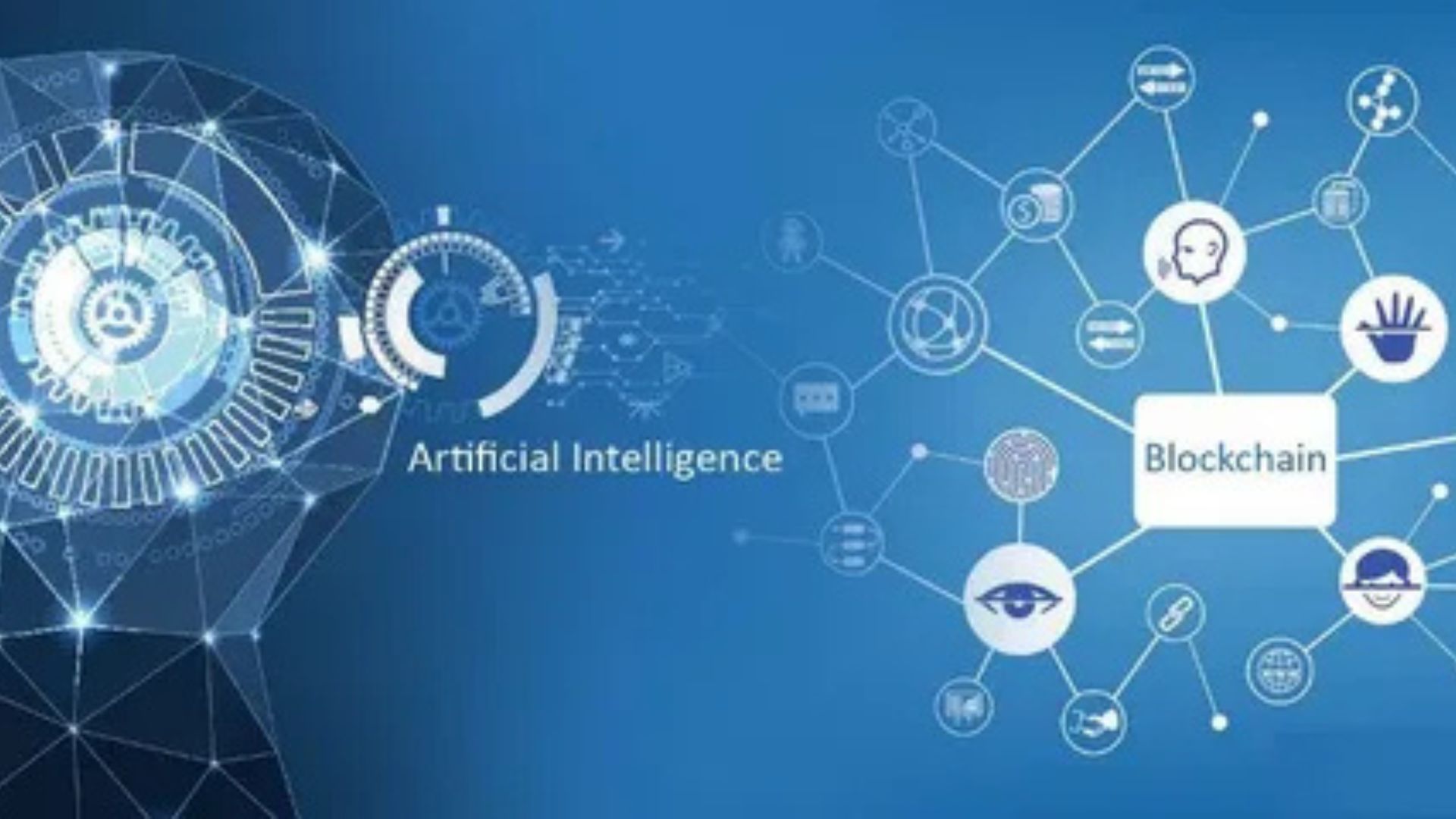
The technology landscape is changing faster than ever, and two of the most influential forces driving this transformation are artificial intelligence (AI) and blockchain technology. Each of these innovations has already reshaped major industries such as finance, healthcare, cybersecurity, and supply chain management. However, the next major leap in digital transformation is expected to come from their convergence rather than from either technology alone. By late 2026, the integration of Blockchain AI is expected to create more secure, transparent, decentralized, and intelligent digital ecosystems that will change how businesses, governments, and individuals interact with technology.
Artificial intelligence is highly effective at processing large volumes of data, identifying patterns, automating decisions, and generating predictive insights. Blockchain, by contrast, offers decentralized infrastructure, immutable recordkeeping, transparent transactions, and trustless verification. When combined, these technologies complement each other in powerful ways. AI gains access to trusted and verifiable data, while blockchain benefits from intelligent automation, predictive analytics, and more efficient decentralized operations.
The rapid growth of Web3, decentralized finance (DeFi), smart contracts, decentralized autonomous organizations (DAOs), digital identity systems, and tokenized real-world assets has increased interest in Blockchain AI integration. Technology companies, financial institutions, blockchain startups, and research organizations are investing heavily in solutions that combine decentralized infrastructure with intelligent algorithms. As computing power improves and AI models become more advanced, blockchain networks are evolving into platforms that can support autonomous applications, intelligent marketplaces, decentralized machine learning, and secure data-sharing ecosystems.
Understanding Blockchain AI Convergence
Blockchain AI refers to the integration of artificial intelligence with decentralized blockchain infrastructure. Rather than functioning as separate technologies, AI and blockchain increasingly complement one another in ways that strengthen both systems. Artificial intelligence analyzes information, recognizes patterns, automates decisions, and improves operational efficiency, while blockchain securely stores data, verifies transactions, enables decentralized trust, and maintains immutable digital records.
When these technologies are combined, they create systems capable of making intelligent decisions while preserving transparency and security. This convergence is one of the most important technological trends expected to shape the digital economy through 2026 and beyond. It represents a shift toward systems that are not only automated but also trustworthy, decentralized, and adaptive.
Why AI Needs Blockchain
Artificial intelligence depends heavily on data, and the quality, integrity, and authenticity of that data directly affect AI performance. If training datasets are incomplete, manipulated, or unreliable, AI models can produce inaccurate or biased results. Blockchain helps solve several of these challenges by providing tamper-resistant data storage and transparent tracking of data origins.
Decentralized ledgers ensure that AI systems can access trustworthy information, while blockchain also improves accountability by recording where data comes from and how it has been used. In addition, secure data sharing allows multiple organizations to collaborate without giving up centralized control. These capabilities strengthen confidence in AI-generated decisions and make AI systems more reliable in sensitive environments such as healthcare, finance, and public services.
Why Blockchain Benefits From AI
Blockchain networks generate enormous amounts of transactional and operational data, and artificial intelligence is uniquely suited to turning that information into actionable insights. AI can improve fraud detection, predict network congestion, optimize validator performance, enhance cybersecurity, and automate smart contract execution. Machine learning algorithms can also identify anomalies that human operators might miss, making blockchain systems more efficient and secure.
As decentralized ecosystems continue to expand, AI becomes increasingly valuable for managing complexity. Blockchain provides the trust and transparency needed for decentralized systems, while AI adds intelligence and adaptability. Together, they create digital infrastructure that is more responsive, scalable, and capable of supporting advanced applications across industries.
Blockchain AI and the Future of Web3
Web3 represents the next evolution of the internet, where users have greater control over their data, identities, and digital assets. Blockchain AI is expected to become a foundational part of this transformation. Intelligent decentralized applications may personalize user experiences while still preserving privacy, and autonomous digital identities could verify credentials securely without relying on centralized authorities.
AI-powered decentralized marketplaces may optimize pricing, logistics, and financial services automatically, creating a more efficient and user-controlled internet. This combination of blockchain and AI supports a digital environment where trust is built into the infrastructure and intelligent automation improves the overall user experience. As Web3 continues to mature, Blockchain AI will likely play a central role in shaping its architecture and functionality.
Revolutionizing Decentralized Finance (DeFi)
The decentralized finance sector continues to grow rapidly, and Blockchain AI could significantly improve how DeFi platforms operate. Artificial intelligence can analyze lending risks, optimize liquidity allocation, identify arbitrage opportunities, and strengthen fraud prevention. These capabilities make financial systems more efficient and more responsive to changing market conditions.
Smart contracts enhanced by AI could adjust financial parameters dynamically based on real-time data, allowing DeFi platforms to become more adaptive and intelligent. Investors may also benefit from more efficient portfolio management and personalized financial recommendations. These innovations could increase accessibility to financial services while reducing operational inefficiencies and improving decision-making across the DeFi ecosystem.
AI-Powered Smart Contracts
Traditional smart contracts are designed to execute predefined rules automatically, but they generally lack the ability to make adaptive decisions. AI introduces a new layer of intelligence that can transform these contracts into more flexible and responsive tools. Future smart contracts may evaluate external information before executing transactions, allowing them to respond to changing conditions in real time.
Machine learning could also optimize contract performance based on historical outcomes, helping systems improve over time. These intelligent agreements may support industries such as insurance, healthcare, logistics, decentralized finance, and supply chain automation. By combining blockchain’s reliability with AI’s adaptability, smart contracts can become far more powerful and useful than they are today.
Digital Identity and Privacy
Digital identity is one of blockchain’s most promising applications, and Blockchain AI may take it even further. Secure identity verification systems can use artificial intelligence to authenticate users through behavioral analysis, biometric recognition, and anomaly detection. At the same time, blockchain can securely store identity credentials without exposing sensitive personal information.
This approach gives users greater control over their digital identities while reducing the risk of identity theft and unauthorized access. Governments, financial institutions, and technology providers are increasingly exploring these systems because they offer a balance between privacy, security, and convenience. As digital interactions become more common, Blockchain AI could become a key foundation for trusted identity management.
Supply Chain Management
Global supply chains generate massive amounts of operational data, and blockchain has already improved product traceability in this area. Artificial intelligence adds another layer of value by enhancing forecasting, inventory optimization, demand prediction, and logistics planning. Together, these technologies can create supply chains that are more transparent, efficient, and resilient.
Combined systems may automatically identify disruptions, recommend alternative shipping routes, verify product authenticity, and improve visibility throughout supply networks. This not only helps businesses operate more effectively but also gives consumers greater confidence in the origin and quality of the products they purchase. Blockchain AI could therefore become a major force in modern supply chain transformation.
Healthcare Innovation
Healthcare is another industry that is well positioned to benefit from Blockchain AI adoption. Medical records stored on blockchain remain secure and tamper-resistant, which helps protect patient privacy and improve data integrity. Artificial intelligence can then analyze patient information to support better diagnosis, treatment planning, and predictive healthcare.
Patients can retain greater control over their medical data while still enabling secure collaboration among healthcare providers. In addition, decentralized AI research platforms may accelerate drug development and medical innovation by allowing researchers to share data securely and efficiently. These improvements can enhance both operational efficiency and patient care, making Blockchain AI a valuable tool for the future of healthcare.
Cybersecurity Improvements
Cybersecurity threats continue to increase worldwide, and organizations need stronger tools to defend against them. Blockchain AI offers multiple layers of protection by combining real-time threat detection with secure, decentralized recordkeeping. Artificial intelligence can identify suspicious activity as it happens, while blockchain can secure system logs against unauthorized modification.
Decentralized authentication also reduces single points of failure, making systems more resilient to attack. Machine learning algorithms can continuously adapt to emerging cyber threats, helping organizations stay ahead of increasingly sophisticated attackers. As cyber risks grow more complex, Blockchain AI may become an essential part of modern security infrastructure.
Tokenization of Real-World Assets
Tokenization is transforming traditional finance by enabling digital ownership of real estate, commodities, securities, artwork, and other physical assets. Blockchain makes this possible by creating secure and verifiable digital representations of real-world value. Artificial intelligence enhances this process by evaluating asset prices, assessing investment risks, forecasting market demand, and optimizing portfolio allocation.
The combination of blockchain and AI increases efficiency while expanding access to investment opportunities. Tokenized economies may become substantially larger by late 2026 as more institutions and investors adopt these models. This trend could reshape how assets are bought, sold, managed, and traded in the digital economy.
Autonomous Organizations and Governance
Decentralized Autonomous Organizations (DAOs) already allow blockchain communities to govern projects collectively, but Blockchain AI could make governance even more effective. Artificial intelligence may analyze proposals, estimate financial impacts, identify governance risks, and summarize community discussions, helping members make more informed decisions.
Voting systems can become smarter while still preserving decentralization and transparency. Improved governance processes support healthier blockchain ecosystems and more efficient decision-making. As DAOs continue to evolve, Blockchain AI may become a critical tool for managing decentralized communities at scale.
Blockchain AI in Enterprise Operations
Businesses are increasingly looking for intelligent automation to improve efficiency and reduce costs. Blockchain AI can streamline contract management, regulatory compliance, financial reporting, procurement, and cross-border transactions. Secure decentralized data sharing also improves collaboration among business partners, especially in industries that rely on trust and transparency.
Artificial intelligence reduces operational costs while improving productivity, and blockchain ensures that records remain secure and verifiable. Enterprise adoption of these technologies may accelerate significantly through 2026 as organizations seek competitive advantages in a rapidly changing digital environment. Companies that embrace Blockchain AI early may be better positioned for long-term success.
Challenges Slowing Blockchain AI Adoption
Despite its many advantages, Blockchain AI still faces several important challenges. Scalability remains a major issue for blockchain infrastructure, while artificial intelligence requires substantial computing resources to operate effectively. Regulatory uncertainty also affects both technologies, especially as governments work to define rules for data use, digital assets, and decentralized systems.
Data privacy laws vary across jurisdictions, and interoperability between blockchain networks still requires further development. Energy efficiency is another ongoing concern, particularly for large-scale blockchain operations. Addressing these challenges will be essential for widespread adoption, and the pace at which they are solved will determine how quickly Blockchain AI becomes mainstream.
Investment Opportunities
Investors are increasingly paying attention to Blockchain AI projects because of their long-term growth potential. Infrastructure providers, decentralized computing platforms, AI marketplaces, blockchain analytics firms, cybersecurity companies, and tokenization platforms all represent promising market segments. These areas are likely to attract more capital as the technology matures.
However, diversification remains essential because emerging technologies often experience significant volatility. Although the long-term outlook is promising, careful research is necessary to identify sustainable investment opportunities. Investors who understand both the risks and the potential rewards may be better positioned to benefit from this evolving sector.
What Businesses Should Prepare For
Organizations should begin evaluating Blockchain AI strategies now rather than waiting for the technology to mature fully. Investing in employee education, cloud infrastructure, cybersecurity, decentralized data management, and AI governance frameworks can improve readiness and reduce future implementation challenges. Early preparation can also help businesses identify the most valuable use cases for their operations.
Companies that adopt these technologies early may achieve operational efficiencies before their competitors and gain a stronger position in the market. Strategic planning is essential for successful digital transformation, especially in industries where trust, automation, and data integrity are becoming increasingly important. Businesses that prepare now will be better equipped for the future.
The Long-Term Outlook Beyond 2026
Late 2026 may represent only the beginning of Blockchain AI convergence. Future innovations could include autonomous financial systems, decentralized AI marketplaces, intelligent manufacturing, AI-powered robotics, personalized education, smart cities, and advanced scientific research platforms. These developments could expand the role of Blockchain AI far beyond its current applications.
As computing capabilities continue to improve, Blockchain AI may become foundational digital infrastructure supporting nearly every industry. Its influence will likely extend well beyond finance and cryptocurrency, shaping how societies build, manage, and trust digital systems. The long-term outlook suggests a future where decentralized intelligence becomes a core part of everyday life.
Conclusion
The convergence of Blockchain AI by late 2026 has the potential to redefine the future of technology. By combining blockchain’s decentralized security and transparency with artificial intelligence’s analytical power and automation capabilities, businesses and developers can create systems that are smarter, more secure, and more efficient than ever before. This integration is expected to accelerate innovation across finance, healthcare, cybersecurity, logistics, digital identity, supply chain management, and enterprise operations.
Although challenges such as scalability, regulation, interoperability, and energy efficiency remain, the pace of technological progress suggests that these barriers will gradually diminish. Governments, technology companies, financial institutions, startups, and research organizations are already investing heavily in Blockchain AI solutions because they recognize its transformative potential.
For investors, developers, and businesses, understanding this convergence is no longer optional. It is becoming a strategic necessity. Organizations that embrace Blockchain AI early will likely benefit from improved operational efficiency, stronger security, enhanced transparency, and new business opportunities in the evolving digital economy.
As late 2026 approaches, Blockchain AI is poised to become one of the defining technological trends of the decade, laying the foundation for a decentralized, intelligent, and interconnected future where trust and automation work hand in hand.
