



The intersection of geopolitical tension and cryptocurrency volatility reached a critical juncture when Standard Chartered, one of the world’s leading financial institutions, issued a significant $500,000 Bitcoin call while U.S. President Donald Trump publicly cited escalating China risk as a major economic concern. This convergence of events has sent ripples through global financial markets, prompting investors to reassess their digital asset strategies and long-term portfolio positioning. Understanding the nuances of this development requires examining Standard Chartered’s outlook on Bitcoin price forecasts, the broader implications of Trump’s geopolitical warnings, and how these factors collectively influence the cryptocurrency market dynamics in 2026.
The relevance of this situation extends far beyond headline-grabbing market movements. As traditional financial institutions like Standard Chartered increase their Bitcoin exposure through substantial price targets, and as political leadership raises concerns about international trade tensions, retail and institutional investors alike face increasingly complex decision-making environments. The $500K BTC call from such a respected financial authority represents a significant endorsement of Bitcoin’s potential, yet it arrives amid warnings about economic headwinds that could reshape global markets. This article explores these intersecting narratives, examining what Standard Chartered’s bold forecast means for Bitcoin investors, how Trump’s China risk rhetoric might affect cryptocurrency adoption, and what strategic moves investors should consider in this uncertain landscape.
Standard Chartered’s $500K Bitcoin Call
Standard Chartered’s $500,000 Bitcoin price target represents one of the most bullish forecasts from a major financial institution. This ambitious call isn’t merely a number plucked from thin air; rather, it reflects a comprehensive analysis of Bitcoin’s fundamental value, market adoption trends, and institutional acceptance. The bank’s research team has likely considered multiple factors including block reward halving cycles, network growth metrics, global monetary expansion, and the increasing role of Bitcoin as institutional reserve assets. When a bank of Standard Chartered’s caliber issues such a forecast, it carries weight that extends far beyond cryptocurrency enthusiasts and into the mainstream financial consciousness.
The timing of this Bitcoin call from Standard Chartered is particularly noteworthy. As we navigate through 2026, the cryptocurrency industry has matured considerably since Bitcoin’s early days. Institutional adoption has accelerated, with major corporations, pension funds, and sovereign wealth funds adding Bitcoin holdings to their portfolios. Standard Chartered’s $500K BTC target likely reflects this institutional embrace, suggesting that the bank views Bitcoin price appreciation not as speculative fervor but as rational allocation to an emerging asset class. This perspective shifts the narrative from Bitcoin being purely a speculative venture to being a legitimate component of diversified investment portfolios.
The Research Behind the Forecast
Standard Chartered’s analysts would have examined the halving cycle analysis, which is fundamental to understanding Bitcoin’s long-term price dynamics. The approximately four-year cycle between Bitcoin halvings creates distinct phases of supply scarcity, influencing price discovery mechanisms. The $500K Bitcoin projection likely accounts for how future halvings will constrain supply while institutional demand potentially remains robust. Additionally, the bank’s research would have incorporated macroeconomic modeling, considering how central bank policies, inflation rates, and currency debasement affect investors’ demand for Bitcoin as a hedge asset. The forecast probably also considered adoption rate projections, factoring in how more countries, corporations, and individuals will integrate Bitcoin usage into their financial systems.
Furthermore, Standard Chartered’s analysis would account for regulatory clarity improvements happening across major markets. As governments establish clearer cryptocurrency regulations, institutional investors gain the confidence needed to increase their Bitcoin positions. The bank’s $500K call reflects optimism that this regulatory environment will continue improving, removing barriers to institutional Bitcoin investment and enabling broader market participation. This forward-looking perspective distinguishes a serious financial forecast from mere speculation.
Trump’s China Risk: Geopolitical Context and Market Implications
President Trump’s emphasis on China risk and escalating U.S.-China tensions creates a complex backdrop for cryptocurrency markets. When political leaders highlight geopolitical concerns, investors typically seek safe-haven assets and alternative currency systems that function outside traditional geopolitical leverage points. Bitcoin, by its decentralized nature, represents exactly such an asset—a monetary system that doesn’t depend on any single government’s stability or favor. Trump’s China warnings may inadvertently provide tailwinds for Bitcoin adoption as investors increasingly view digital currency as a hedge against geopolitical uncertainty.
The trade tensions and economic rivalry between the United States and China have profound implications for global commerce, supply chains, and financial stability. When such high-level warnings emanate from the White House, they influence how institutional investors think about portfolio diversification and risk management. Some investors interpret China risk as a signal to reduce exposure to traditional U.S.-China trade flows and increase allocation to assets with lower geopolitical risk, including cryptocurrencies. This psychological shift can have real consequences for Bitcoin demand and broader digital asset markets.
How Geopolitical Tension Influences Crypto Markets
Geopolitical risk and cryptocurrency adoption are increasingly correlated. Countries and investors facing political uncertainty or currency instability often turn to Bitcoin as an alternative store of value. When the U.S. President publicly discusses China risk, it sends a signal throughout global markets that the international landscape is becoming less stable and more adversarial. This creates an environment where Bitcoin’s value proposition—being outside any single country’s control—becomes more appealing. Investors in countries affected by U.S.-China tensions may accelerate their Bitcoin purchases, viewing cryptocurrency holdings as a form of financial insurance.
Moreover, geopolitical tension often precedes capital controls and currency restrictions. Historically, when countries face international disputes or sanctions, they sometimes restrict how capital can move across borders. Bitcoin transactions, being peer-to-peer and borderless, provide a mechanism to preserve wealth in such scenarios. Trump’s China warnings could catalyze investors in both the U.S. and internationally to explore cryptocurrency holdings as a way to reduce their exposure to geopolitical risk factors. This relationship between political uncertainty and Bitcoin demand has been observed repeatedly in recent years, from Turkish currency crises to sanctions on various nations.
The Convergence: Standard Chartered’s Bullish Outlook Amid Political Uncertainty
The convergence of Standard Chartered’s aggressive $500K Bitcoin projection and Trump’s public warnings about China risk creates an interesting paradox. On one level, geopolitical tension could drive up Bitcoin prices through increased institutional demand for safe-haven assets. On another level, such political uncertainty creates market volatility that could temporarily depress Bitcoin’s price as investors reduce risk across all asset classes. Understanding this dynamic requires nuance and recognition that cryptocurrency markets respond to multiple competing forces simultaneously.
Standard Chartered’s bullish Bitcoin stance suggests the bank’s analysts believe that the positive fundamentals driving Bitcoin adoption will ultimately outweigh temporary headwinds from geopolitical concerns. The $500K call implies confidence that Bitcoin’s network effects, institutional adoption trends, and macroeconomic tailwinds (such as monetary expansion and currency debasement) will drive substantial price appreciation even as geopolitical tensions ebb and flow. This forward-looking perspective suggests that savvy investors should focus on long-term Bitcoin trends rather than reacting to short-term political news cycles.
Strategic Investment Implications
For investors considering Standard Chartered’s $500K Bitcoin forecast in the context of Trump’s China risk warnings, several strategic considerations emerge. First, the convergence of institutional endorsements (like the Standard Chartered call) with geopolitical uncertainty creates an environment where Bitcoin allocation may increase regardless of short-term price volatility. Second, the China risk narrative could accelerate Bitcoin adoption among investors seeking diversification away from geopolitical concentration risk. Third, the cryptocurrency market may experience volatility but maintain a bullish trend as long-term adoption drivers prove stronger than short-term political uncertainties.
Investors should consider their risk tolerance and investment timeline when evaluating Standard Chartered’s bullish Bitcoin outlook against the backdrop of geopolitical concerns. Those with longer investment horizons might view current market uncertainty as an opportunity to accumulate Bitcoin positions, especially if they share Standard Chartered’s conviction about long-term price appreciation. Conversely, those with shorter time horizons or lower risk tolerance might employ a dollar-cost averaging strategy, systematically accumulating Bitcoin exposure while hedging against short-term volatility triggered by political developments.
Bitcoin Market Dynamics in 2026
The Bitcoin market landscape of 2026 differs substantially from previous cycles. Institutional participation has grown exponentially, with major corporations, pension funds, and sovereign wealth funds now holding Bitcoin reserves. This shift from a purely retail market to one with significant institutional involvement has changed how Bitcoin price discovery works and how supply and demand dynamics evolve. Standard Chartered’s $500K Bitcoin call reflects this institutional reality—such a forecast would have been dismissed as fantasy years ago, but today it represents serious financial analysis from a major bank.
The 2026 Bitcoin market also reflects greater regulatory maturity. Whereas previous cycles experienced substantial regulatory uncertainty, 2026 sees most major jurisdictions having established clear cryptocurrency frameworks. This clarity reduces investment risk for institutional participants, enabling larger capital flows into Bitcoin. Additionally, the halving cycle approaching in 2024-2025 and its aftermath in 2026 will influence Bitcoin supply dynamics, potentially creating conditions favorable to price appreciation. When supply becomes more constrained while demand remains robust, prices typically advance.
Market Cycles and Adoption Phases
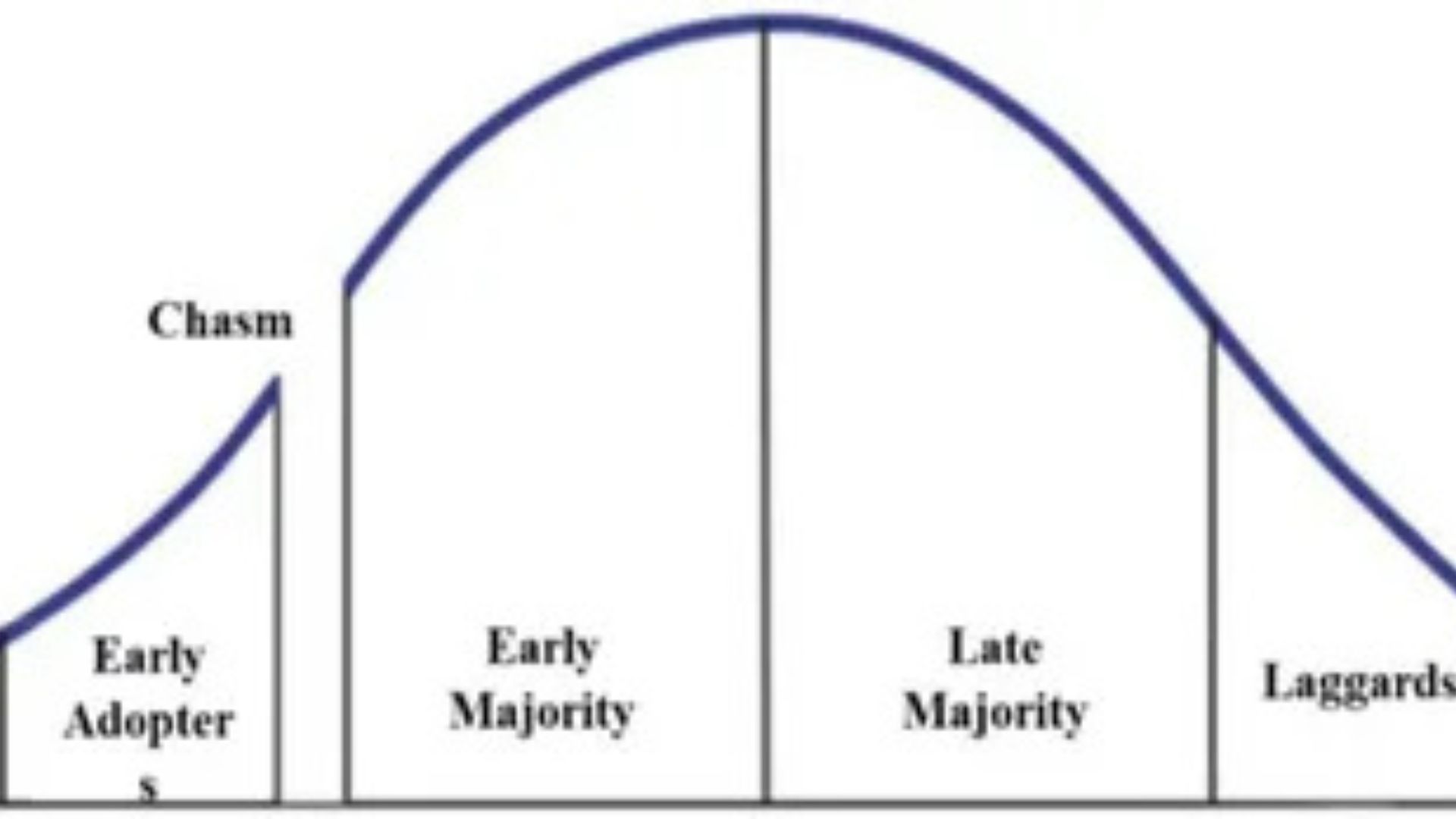
Understanding Bitcoin market cycles is crucial for contextualizing Standard Chartered’s forecast. The cryptocurrency has historically followed patterns of explosive growth followed by consolidation. We appear to be entering a phase where previous cycles’ lessons are being applied more rationally by institutional participants, potentially smoothing out the most extreme volatility while maintaining strong long-term appreciation. The $500K Bitcoin target from Standard Chartered likely assumes that this institutional maturity will continue supporting price floors and upward momentum.
The adoption curve for Bitcoin continues expanding into new demographics and geographies. As more countries consider Bitcoin holdings for their foreign reserves, as more corporations add Bitcoin to their balance sheets, and as more individuals gain access to Bitcoin through digital wallets and exchanges, the network effects strengthen. These adoption dynamics are foundational to understanding why Standard Chartered would issue such an ambitious price target. The bank’s analysts are betting that Bitcoin adoption will continue accelerating, creating sustained upward pressure on prices.
Risk Factors and Market Uncertainties
While Standard Chartered’s bullish Bitcoin outlook provides compelling reasons for optimism, prudent investors must acknowledge significant risk factors. Regulatory crackdowns in major markets could constrain Bitcoin adoption, potentially limiting price appreciation. Major cryptocurrency exchange failures or security breaches could temporarily damage investor confidence and trigger market corrections. Macroeconomic recessions could reduce investor appetite for risk assets like cryptocurrencies, causing temporary price declines.
Trump’s China risk warnings could escalate into full-blown trade wars or military confrontation, creating market turmoil that affects all risk assets, including Bitcoin. Additionally, if geopolitical tensions create a recession, investors might liquidate alternative assets like Bitcoin to raise cash, temporarily depressing prices. These downside scenarios don’t negate Standard Chartered’s long-term bullish outlook, but they highlight the importance of risk management and portfolio diversification.
Managing Volatility and Uncertainty
For investors taking a position based on Standard Chartered’s $500K Bitcoin forecast, managing volatility is essential. Rather than attempting to time market bottoms or peaks, implementing a systematic accumulation strategy reduces timing risk and emotional decision-making. Investors should also ensure that their Bitcoin allocation represents an appropriate portfolio percentage given their overall risk tolerance and investment objectives. A $500K Bitcoin price would represent substantial wealth for existing Bitcoin holders, but reaching that level may take several years and involve significant interim volatility.
Conclusion
The intersection of Standard Chartered’s ambitious $500K Bitcoin call and President Trump’s public concerns about China risk encapsulates the complex environment facing investors in 2026. Standard Chartered’s bullish forecast reflects genuine confidence in Bitcoin’s fundamental value, institutional adoption trends, and macroeconomic tailwinds supporting digital asset appreciation. Meanwhile, Trump’s geopolitical warnings highlight real uncertainties that could create temporary market volatility while potentially accelerating long-term Bitcoin adoption as investors seek safe-haven alternatives to traditional geopolitical risk vectors.
The convergence of these narratives suggests that Bitcoin may indeed experience substantial price appreciation in the coming years, but such gains will likely come amid periods of volatility and uncertainty. Investors should approach this opportunity with both enthusiasm grounded in Standard Chartered’s serious financial analysis and prudence acknowledging real downside risks from geopolitical escalation. For those with the risk tolerance and long-term investment horizon, the current environment presents an attractive opportunity to build Bitcoin positions while valuations remain below Standard Chartered’s $500K target. As always, individual risk tolerance, portfolio objectives, and financial circumstances should guide specific investment decisions.
