



The cryptocurrency market continues to attract unprecedented attention from institutional investors, retail traders, and financial analysts worldwide. Among the most pressing concerns emerging in 2026 is the potential systemic risk posed by Bitcoin leverage strategies, a warning recently amplified by prominent market strategist Gerber. His cautionary stance reflects growing apprehension about how excessive use of leveraged trading could precipitate a devastating market correction that would ripple through the entire digital asset ecosystem.
Bitcoin leverage, when used irresponsibly, represents one of the most dangerous tools in modern finance. The ability to control large positions with minimal capital has democratized trading access, but it has simultaneously created a precarious environment where fortunes can be made and lost within minutes. Gerber’s analysis delves deep into this paradox, examining why the current market structure is particularly vulnerable to cascade failures triggered by forced liquidations and margin calls. Understanding these dynamics has become essential for anyone with exposure to cryptocurrency markets, whether as a direct investor or through indirect financial instruments.
This article explores Gerber’s critical warnings about Bitcoin trading leverage, examining the mechanisms that could transform a routine market pullback into a catastrophic selloff. We’ll analyze the underlying reasons why crypto margin trading has become so prevalent, how leverage amplifies both gains and losses, and what protective measures investors should consider implementing in their portfolios.
Bitcoin Leverage and Market Mechanics
Leveraged trading in cryptocurrency allows traders to amplify their exposure to Bitcoin price movements by borrowing capital from exchanges or specialized lending platforms. In essence, a trader with $10,000 might control positions worth $100,000 or more through leverage ratios of 10:1, 20:1, or even higher on certain platforms. While this creates extraordinary profit potential during bull markets, it simultaneously constructs a house of cards that becomes increasingly unstable as market conditions deteriorate.
The mechanics of leverage trading operate on a surprisingly straightforward principle. A trader deposits collateral—typically Bitcoin itself or a stablecoin—which serves as a margin requirement. This collateral acts as a safety buffer, and when the market moves unfavorably, the trader’s collateral value diminishes relative to their borrowed funds. Exchanges maintain strict protocols through automated liquidation systems that forcibly close positions once losses consume a predetermined percentage of the collateral. These liquidations aren’t optional; they’re triggered automatically by algorithmic trading systems designed to protect the exchange from default risk.
Gerber’s warning specifically addresses the cumulative effect of these individual liquidations across the market. When numerous traders maintain highly leveraged positions in the same direction—which happens frequently during bull runs—a single significant price decline can trigger a cascade of forced liquidations. The first liquidation adds selling pressure, which moves the market lower, triggering more liquidations in a self-reinforcing cycle. This phenomenon, sometimes called a liquidation cascade or flash crash, can accelerate price declines at alarming velocities that surpass even the most pessimistic fundamental analysis.
The Catalyst for Cascade Liquidations
Gerber identifies several specific triggers that could initiate the catastrophic scenario he warns against. Understanding these catalysts is crucial for assessing the probability and timeline of such an event. The first and most obvious trigger would be adverse Bitcoin price movement driven by macroeconomic factors. Should the Federal Reserve unexpectedly raise interest rates, or should inflation data surprise markets on the upside, capital could rapidly rotate away from risk assets. Bitcoin, despite its growing legitimacy, remains a risk-on asset that tends to underperform during periods of monetary tightening and rising real rates.
Gerber also highlights the risk posed by cryptocurrency exchange failures or security breaches. Should a major exchange suffer a devastating hack, experience a platform outage, or face insolvency, the resulting panic would likely cause massive margin calls as traders rush to withdraw funds. The interconnected nature of cryptocurrency markets means that a crisis at one exchange could rapidly transmit to others, creating systemic stress across the entire ecosystem. This scenario became more plausible following several high-profile exchange collapses in recent years, which demonstrated that even established platforms were not immune to catastrophic failure.
Another significant catalyst involves macroeconomic shock events. A banking crisis, stock market crash, or geopolitical escalation could trigger a flight-to-safety movement that impacts all risk assets simultaneously. During such periods, cryptocurrency traders often face forced liquidations not by choice but by necessity, as they liquidate Bitcoin positions to meet margin calls in other markets or to secure cash reserves. This forced selling during panic periods tends to be indiscriminate and severe, often pushing Bitcoin prices down far more than fundamentals would justify.
How Margin Calls Propagate Through Markets
The mechanics of how individual margin calls transform into market-wide leverage-induced selloffs deserves detailed examination. Gerber explains that the propagation mechanism resembles a financial pandemic, where initial weakness creates conditions for exponential spread. When a trader receives a margin call, they face a stark choice: deposit additional collateral immediately or watch their position get forcibly liquidated. For many traders, especially those operating at the edges of their financial capacity, depositing more capital isn’t possible. They’re forced to liquidate, often at the worst possible moment—when markets are declining and their positions have become deeply unprofitable.
Cryptocurrency leverage platforms often share liquidity pools and cross-collateralization systems where collateral held for one type of asset can be used to secure borrowing in another. This creates opacity regarding actual Bitcoin leverage exposure and interconnection risks. A trader might hold Bitcoin as collateral while borrowing Ethereum or other altcoins. When Bitcoin declines and gets liquidated to cover the altcoin margin call, it adds to selling pressure on Bitcoin itself, triggering additional margin calls among traders who borrowed against Bitcoin. The interconnected nature of these relationships means that leverage exposure in one corner of the market can rapidly propagate throughout the ecosystem.
Gerber’s research indicates that current market conditions have created particularly tight correlations among crypto margin trading participants. During bull markets, most leveraged traders are positioned long, meaning they’ve borrowed funds to purchase Bitcoin expecting prices to rise. If prices instead begin declining, virtually all of these positions simultaneously become unprofitable, and nearly all will face margin calls within a short timeframe. This synchronized pressure creates the potential for a leverage-induced market crash far more severe than traditional price declines driven by fundamental factors.
Current Market Vulnerabilities and Exposure Levels
As of August 2026, on-chain analysis and exchange data suggest that Bitcoin leverage exposure has reached concerning levels. Major cryptocurrency derivatives exchanges report open interest in perpetual futures—contracts that allow indefinite leverage exposure—worth tens of billions of dollars. The leverage ratios embedded in these positions vary widely, but analysis indicates that a meaningful portion of total open interest involves 5:1 leverage or higher. This means that a 10% decline in Bitcoin would generate 50% losses for traders in those positions, easily triggering margin calls even among well-capitalized traders.
Decentralized finance protocols have introduced additional complexity to the cryptocurrency leverage landscape. Users can now borrow assets through smart contract systems and establish leveraged positions without direct interaction with centralized exchanges. This has created an additional layer of opacity; no single entity has complete visibility into total Bitcoin trading leverage exposure across the entire ecosystem. Gerber emphasizes this information gap as particularly dangerous, because it prevents market participants and regulators from accurately assessing systemic risk.
The concentration of leveraged positions among a relatively small number of trading firms and sophisticated investors is another vulnerability Gerber highlights. Rather than leverage being distributed broadly across millions of retail traders, a significant portion of crypto margin trading activity is controlled by specialized proprietary trading firms and cryptocurrency hedge funds. These organizations often coordinate strategies and can move large positions simultaneously. Should a few major firms experience losses that force margin calls, their simultaneous liquidation activity could trigger the exact cascade scenario Gerber warns about.
Potential Market Impact and Systemic Risks
If Gerber’s warning materializes and Bitcoin leverage triggers a selloff, the potential magnitude of the decline could be severe. His analysis suggests that an initial 10-15% decline could easily accelerate into a 30-50% crash as margin calls propagate through the market. The psychological impact of such a decline would be substantial, potentially shaking confidence not just in Bitcoin but in cryptocurrency broadly. Investors who entered the market during the recent bull run, particularly those using leverage, would face catastrophic losses, potentially creating lasting damage to retail participation in cryptocurrency markets.
The systemic risk implications extend beyond cryptocurrency markets themselves. As Bitcoin and other digital assets have become increasingly integrated into mainstream financial portfolios, problems in cryptocurrency markets can transmit to traditional finance. A major cryptocurrency crash could impact companies with significant Bitcoin holdings, damage trading firms with crypto exposure, and create contagion effects in equity markets. Additionally, the liquidation cascade predicted by Gerber could create temporary price dislocations so severe that they’d become newsworthy events, potentially attracting regulatory scrutiny and accelerating the very restrictive regulatory responses that initially triggered the decline.
Gerber’s analysis also considers the political and regulatory implications of a Bitcoin leverage-induced crash. Policymakers would face pressure to implement strict leverage restrictions or outright prohibition of margin trading in cryptocurrency. While such regulations might prevent future crises, they would also eliminate an important source of market liquidity and could drive leverage trading to unregulated offshore platforms, potentially creating even worse conditions for future risk events.
Risk Mitigation Strategies for Market Participants
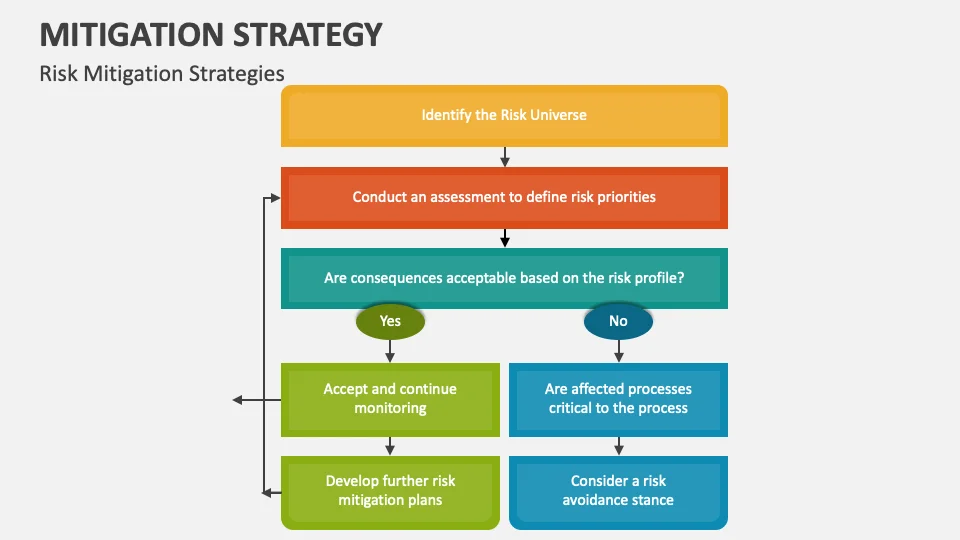
Despite the concerning nature of Gerber’s warnings, market participants have several options for mitigating their Bitcoin leverage risk. The most straightforward approach involves reducing or eliminating leverage exposure entirely. Conservative investors should avoid cryptocurrency margin trading altogether, instead holding Bitcoin in spot form for the long term. This eliminates margin call risk and prevents involvement in cascade liquidations, though it obviously sacrifices the profit amplification that leverage provides.
For traders who insist on maintaining leveraged Bitcoin positions, Gerber recommends maintaining substantial safety margins between position liquidation prices and current market prices. Rather than operating at the maximum leverage the exchange permits, traders should use lower ratios—perhaps 3:1 or 5:1 instead of 10:1 or higher. This creates a buffer that makes margin calls less likely during normal market corrections and provides time to react if the market begins moving unfavorably. Additionally, traders should establish strict stop-loss orders that automatically close positions before margin calls occur, preventing the forced liquidation that contributes to cascade effects.
Portfolio diversification represents another important risk reduction strategy. Investors shouldn’t concentrate all leverage exposure in Bitcoin; spreading leverage across multiple uncorrelated assets creates natural hedging that reduces the probability of simultaneous margin calls. Similarly, traders should ensure that they maintain adequate unlevered assets and cash reserves so they can meet margin calls without forced liquidation if the market turns against their positions. This requires discipline and capital efficiency, but it dramatically reduces the risk of participating in a leverage-induced market crash.
Conclusion
Gerber’s warnings about Bitcoin leverage triggering a selloff deserve serious consideration from anyone with cryptocurrency exposure. His analysis demonstrates that the current market structure has created dangerous conditions where individual trader decisions—forced by margin calls—can create cascade effects that devastate prices and instill panic across markets. The scale of leveraged Bitcoin trading, the clustering of liquidation levels at vulnerable prices, and the interconnected nature of modern cryptocurrency platforms all combine to create a plausible scenario where a relatively modest initial price decline accelerates into a catastrophic crash.
However, Gerber’s analysis also provides a roadmap for risk reduction. By understanding the mechanisms through which leverage-induced selloffs propagate, investors can implement protective measures in their own portfolios.
The cryptocurrency market will likely continue incorporating increasing amounts of leverage as institutional adoption accelerates and new financial instruments emerge. This reality makes Gerber’s research more valuable, not less. Rather than dismissing his warnings as bearish fear-mongering, thoughtful investors should use his insights to make more informed decisions about their own Bitcoin and cryptocurrency leverage exposure. The potential cost of ignoring these warnings—catastrophic losses during a cascade liquidation—is too high to dismiss casually.
Frequently Asked Questions
Q. What exactly is Bitcoin leverage, and how does it differ from owning Bitcoin outright?
Bitcoin leverage involves borrowing funds from an exchange or lending platform to control larger positions than your capital alone would allow. When owning Bitcoin outright, you control exactly the amount of Bitcoin you’ve purchased with your own money.
Q. How do liquidation cascades actually occur in cryptocurrency markets?
Liquidation cascades begin when an initial price decline triggers forced liquidations of leveraged positions at specific price levels. These liquidations flood the market with sell orders, pushing prices lower. As prices fall further, additional positions reach their liquidation prices, triggering more forced selling.
Q. What signs should investors watch for that might precede a leverage-induced Bitcoin selloff?
Key warning signs include extremely high open interest in perpetual futures contracts (indicating excessive leverage positioning), clustering of liquidation levels in narrow price ranges, rapid increases in leverage ratios among retail traders, and complacent market sentiment during extended rallies.
Q. Is it possible to completely eliminate leverage risk while still investing in Bitcoin?
Yes, the most reliable approach is simply avoiding leverage entirely. Purchase Bitcoin with capital you can afford to lose, hold it in personal wallets or trusted exchanges for custody, and never borrow against it or use margin trading. This strategy eliminates all liquidation risk, margin call risk, and cascade risk.
